
The Case for a Single Facilities Partner
C&I Facility Management in Hawaii
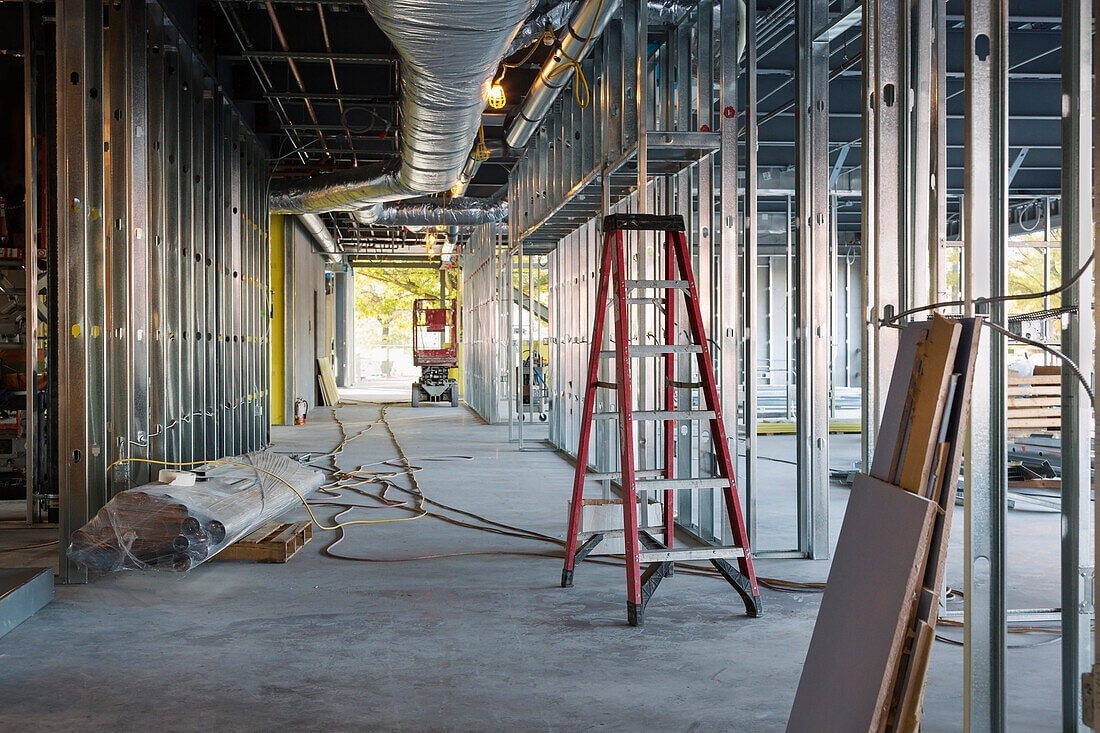
Commercial and industrial facility management in Hawaii is not a mainland problem with a tropical backdrop. The islands present a genuinely distinct set of operational challenges, including corrosive environments, inter-island logistics, a limited contractor pool, and regulatory requirements that differ from state to state and island to island. C&I owners who try to manage these challenges with a patchwork of single-trade contractors typically end up with higher costs, slower response times, and no single point of accountability when something goes wrong.
What Makes Hawaii C&I Facility Management Different
The most obvious challenge is geography. A facility owner with assets on Oahu, Maui, and the Big Island is managing across three separate islands, each with its own contractor market, permitting jurisdiction, and logistics infrastructure. Coordinating a roofing repair on Maui while managing an electrical issue on the Big Island and a HVAC replacement on Oahu is not a scheduling problem, it's a supply chain problem. Salt air and humidity affect every building system differently than they do on the mainland. HVAC units corrode faster. Electrical connections oxidize. Roofing membranes degrade under UV and moisture stress that mainland specs don't anticipate. A facility management program that isn't calibrated to Hawaii's actual degradation rates will consistently underestimate maintenance intervals and capital replacement timelines. The contractor pool in Hawaii is smaller and more specialized than on the mainland. For C&I owners, this means that a reactive maintenance approach, calling a contractor when something breaks, often means waiting weeks for availability. A proactive, planned maintenance program with a partner who has established relationships and local presence changes the response time equation entirely.
The Cost of the Patchwork Approach
Most C&I facility owners in Hawaii manage their properties with a collection of single-trade contractors, one for electrical, one for HVAC, one for roofing, one for solar. This approach feels like it controls costs because each contract is scoped narrowly. In practice, it creates several expensive problems. Coordination overhead is real. Someone on your team is spending time managing contractor schedules, reviewing competing scopes of work, and resolving disputes about who is responsible when a problem spans trades. That time has a cost. Accountability gaps appear when something goes wrong at the intersection of two trades. The electrical contractor says the problem is with the solar system. The solar contractor says it's a building electrical issue. With no single partner accountable for the whole facility, these disputes take time and money to resolve, and the facility keeps underperforming in the meantime. Inconsistent documentation means no single source of truth for your facility's maintenance history, equipment condition, and capital replacement schedule. When you need to make a decision about a major repair or replacement, you're working from incomplete information.
What Full-Spectrum Facility Management Looks Like
A full-spectrum C&I facility management partner handles the complete range of building and infrastructure systems, including electrical, mechanical, solar and storage, structural, and specialty systems, under a single contract with a single point of accountability. Planned preventive maintenance is scheduled and executed across all systems on a coordinated calendar, not as separate contracts with separate schedules. Capital planning gives you a rolling 3-5 year view of major equipment replacement and system upgrade needs, so you can budget proactively instead of reacting to failures. Emergency response means one call, not five. When something goes wrong at your facility, your partner mobilizes the right resources regardless of which trade is involved. Reporting and documentation gives you a single, consolidated view of your facility's condition, maintenance history, and performance metrics.
The Solar and BESS Integration Advantage
For C&I owners with solar and battery storage assets, a facility management partner with genuine solar O&M and BESS maintenance capability is a significant advantage. The intersection of building electrical systems and solar/storage infrastructure is where most single-trade contractors have gaps. An inverter issue that affects building power, a BESS thermal event that triggers a facility shutdown, a solar rework that requires coordination with building electrical: these are exactly the scenarios where a partner with integrated capability across both domains delivers measurably better outcomes than a patchwork of specialists.
Obsidian Hawaii's Full-Spectrum Approach
Obsidian Hawaii was built to be the single facilities partner that Hawaii's C&I owners have been looking for. Our capabilities span solar and BESS O&M, system reworks and repowers, commercial electrical, and facility management and construction, all under one roof, with OSHA 30 certified field teams and operational presence across the Hawaiian Islands. We don't subcontract your accountability to someone else. When you work with Obsidian Hawaii, you have one partner, one contract, and one team that owns the outcome for your facility.
Ready to Simplify Your Facility Management?
Talk to Obsidian Hawaii about a full-spectrum facility management program for your C&I property.
Get in Touch